3022 E 57th Ave #10 Spokane, WA 99223

June 22, 2026 in Dental Health, by Dental Care of Spokane.
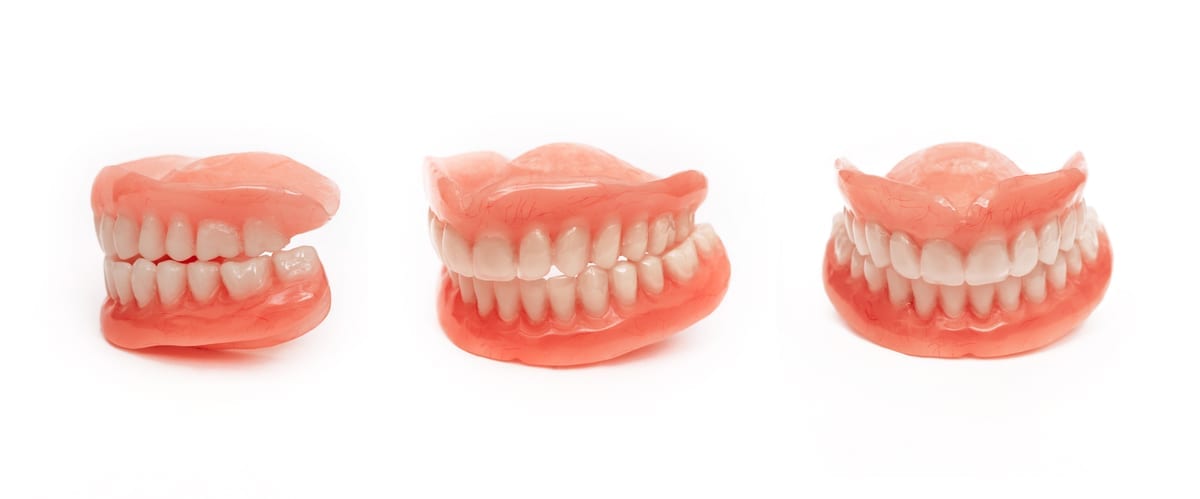
If you’ve been wearing dentures for several years, you may have noticed something frustrating — they just don’t fit the way they used to. Many Spokane patients ask us why their dentures feel loose after years of wearing them, and what’s actually happening inside their mouths. The answer involves your jawbone, and it’s more important than most people realize. Understanding this process can help you make smarter decisions about your dental health going forward.
The Real Reason Dentures Stop Fitting Over Time
When you lose teeth, your jawbone no longer receives the stimulation it needs to stay dense. This process is called bone resorption, and it begins almost immediately after tooth loss. Over months and years, the ridge of bone that once anchored your teeth gradually shrinks. That shrinkage is the primary reason why dentures that once felt snug begin to shift, slip, and cause discomfort.
Bone resorption is a natural biological response — it isn’t a sign that something went wrong. Your body simply stops maintaining bone it no longer uses. Studies suggest the jawbone can lose up to 25% of its width in the first year after tooth loss alone. Over a decade of wearing dentures, that loss becomes quite significant.
This is a key part of understanding why your dentures feel loose after years — and why Spokane patients often come to us confused, thinking their dentures broke or warped. In most cases, it’s the jaw that changed, not the denture itself.
Signs Your Dentures No Longer Fit Properly
Loose dentures aren’t always obvious at first. The changes happen gradually, so many patients adapt without realizing there’s a fixable problem. Knowing the warning signs can help you seek help earlier and avoid unnecessary discomfort or oral health complications.
Watch for these common signs that your dentures need attention:
- Slipping or clicking sounds when you eat or speak
- Sore spots or irritation along your gums
- Food consistently getting trapped beneath the denture
- Difficulty chewing foods you used to eat easily
- Needing more and more denture adhesive to keep them in place
- Changes in your facial appearance, such as a sunken or aged look around the mouth
If you recognize any of these signs, it’s time to speak with a dentist. Leaving ill-fitting dentures unaddressed can accelerate bone loss and create painful sores that become difficult to treat.
What Are Your Options? Relining, Rebasing, and Replacement
The good news is that you have several practical options when dentures stop fitting well. The right choice depends on the condition of your existing denture and how much your jaw has changed. Dr. Logan Behrmann at Dental Care of Spokane evaluates each patient individually to determine the best path forward.
Here’s a breakdown of the three main solutions:
- Relining: A reline adds new material to the inner surface of your existing denture. This reshapes the fit to match your current jaw ridge. It’s the least invasive option and works well when bone loss is moderate.
- Rebasing: Rebasing replaces the entire pink acrylic base while keeping your existing teeth. This is a good option when the base has worn down but the teeth themselves are still in good condition.
- Replacement: When bone loss is significant or the denture structure is compromised, a full replacement may be the most effective long-term solution. New dentures are fabricated to match your current jaw anatomy.
Some patients also ask about dental implants as a longer-term alternative. Implants help prevent further bone loss by stimulating the jaw the way natural tooth roots do. This can make implant-supported dentures a more stable solution over time.
How Often Should Dentures Be Evaluated in Spokane?
Dental professionals generally recommend having your dentures evaluated every one to two years. Even if your dentures feel acceptable, subtle changes in fit can go unnoticed until they cause real problems. Regular checkups allow your dentist to catch these changes early.
At Dental Care of Spokane, we also look at overall oral health during these visits. That includes checking gum tissue health, evaluating remaining bone structure, and screening for early signs of oral cancer. Wearing dentures doesn’t mean you can skip routine dental care — it means that care should be adapted to your specific needs.
Spokane patients who stay consistent with their checkups tend to avoid the bigger problems that come from years of wearing an ill-fitting denture. Prevention is always less costly and less uncomfortable than correction after problems develop.
Can You Prevent Bone Loss With Dentures?
Traditional removable dentures do not prevent bone resorption — they simply rest on top of the gum tissue. This means bone loss will continue over time regardless of how well the dentures fit initially. However, there are strategies to slow the process and maintain your quality of life.
Consider these approaches to managing long-term bone health:
- Schedule regular denture evaluations to catch fit changes early
- Ask about implant-supported dentures if you are a candidate
- Avoid extended use of ill-fitting dentures, which accelerates gum and bone damage
- Maintain excellent oral hygiene, including cleaning your gums and palate daily
- Discuss bone grafting options with your dentist if significant loss has already occurred
For some patients, exploring options in Cosmetic Dentistry — including implant-retained solutions — can offer a more permanent and functional alternative. It’s worth having that conversation with Dr. Behrmann to understand what’s possible for your situation.
Other patients with specific cosmetic concerns about their smile may also want to learn about options like Veneers, which address different smile concerns for patients who still have natural teeth.
What to Expect at Your Denture Evaluation
If you come into Dental Care of Spokane with concerns about loose dentures, the process is straightforward. Dr. Behrmann will examine your mouth, assess the current fit of your denture, and take any necessary X-rays to evaluate bone levels. From there, he’ll explain your options clearly so you can make an informed decision.
There’s no pressure and no rushed recommendations. The goal is to help you understand what’s happening in your mouth and what will genuinely improve your comfort and function. Many patients leave feeling relieved just to finally have an explanation for what they’ve been experiencing.
If you’ve been living with loose, uncomfortable dentures in Spokane, don’t wait any longer to get answers. Book Now to schedule your appointment with our team.
Frequently Asked Questions
Why do my dentures feel loose after only a few years?
Bone resorption begins almost immediately after tooth loss. Even after just a few years, the jawbone ridge can shrink enough to noticeably affect how your dentures fit. Regular evaluations can catch these changes early and help you address them before they become more serious.
Is it dangerous to wear loose dentures?
Yes, wearing ill-fitting dentures for extended periods can cause gum irritation, sores, and accelerated bone loss. It can also affect your ability to chew properly, which may impact your nutrition and overall health. It’s best to have loose dentures evaluated as soon as possible.
How long do dentures typically last before needing replacement?
Most dentures last between five and ten years before replacement becomes necessary. However, relining or rebasing may be needed sooner — sometimes within two to three years — depending on how quickly bone resorption occurs in your specific case.
What is the difference between relining and replacing dentures?
Relining adds new material to the inner surface of your existing denture to improve fit. Replacing involves creating an entirely new denture from scratch. Your dentist will recommend the right option based on the current condition of your denture and the degree of change in your jaw structure.
Can dental implants help if my dentures keep getting loose?
Dental implants can be an excellent long-term solution for patients who struggle with loose dentures. Implant-supported dentures are anchored directly to the jawbone, which provides much greater stability. Implants also help stimulate the jaw and slow the bone resorption process over time.
Welcome to Our Practice
Ready to join the family at Dental Care of Spokane? Our team is driven by a passion for helping those in our community maintain, enhance, and restore their ideal smiles. We can't wait to meet you!
Schedule Your
Visit Now!
Map