3022 E 57th Ave #10 Spokane, WA 99223

October 12, 2026 in Dental Health, by Dental Care of Spokane.
Many Spokane residents snore at night and think nothing of it. But understanding why untreated sleep apnea could be silently damaging your health in Spokane is more urgent than most people realize. Sleep apnea is not just a snoring problem. It is a serious medical condition that quietly harms your body every single night.
At Dental Care of Spokane, Dr. Logan Behrmann wants every patient to understand the real risks of ignoring this condition. You deserve honest, clear information so you can make the best choices for your health. This article breaks down those risks in plain language.
What Is Sleep Apnea and Why Does It Go Unnoticed?
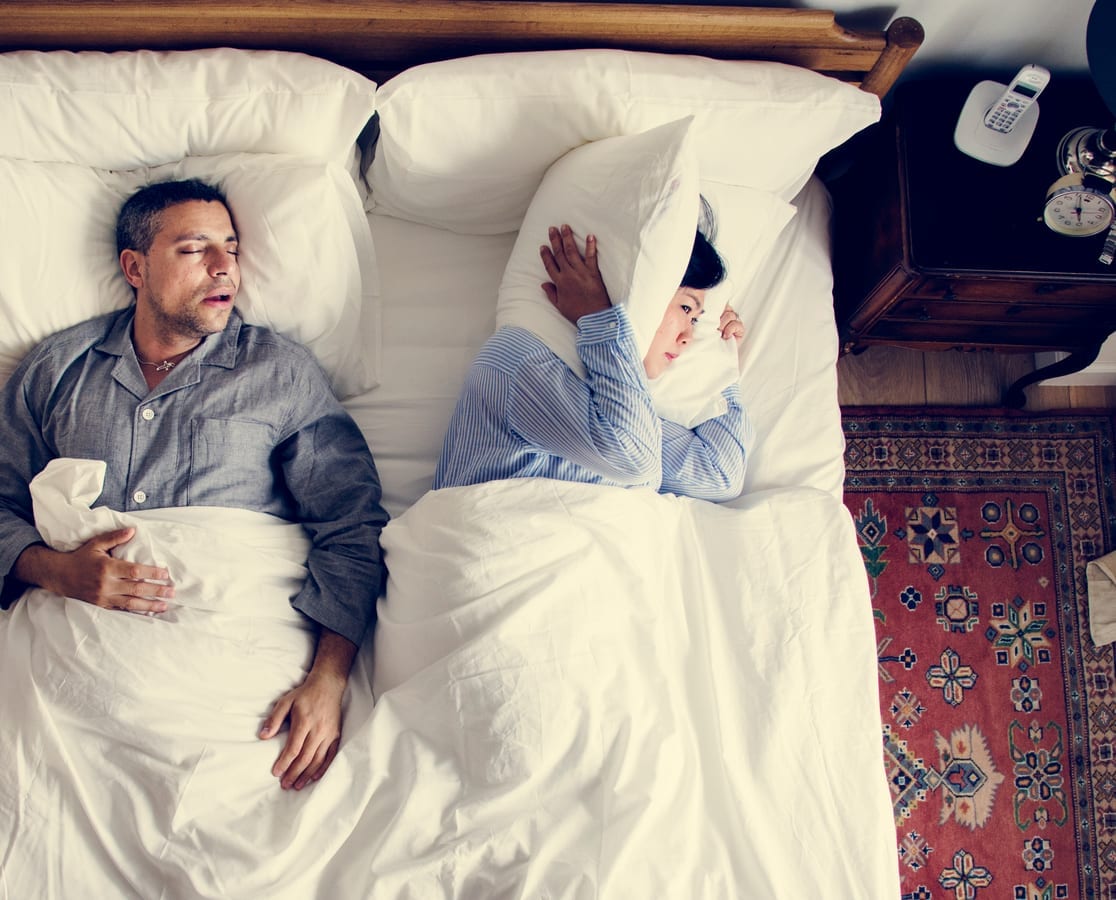
Sleep apnea occurs when your airway repeatedly closes during sleep. Your brain briefly wakes you to restart breathing. This can happen dozens or even hundreds of times per night.
Most people never remember these interruptions. They wake up feeling exhausted but have no idea why. Their partners may notice the snoring or gasping, but the person affected often dismisses it.
There are two main types to know about:
- Obstructive sleep apnea (OSA): The throat muscles relax and block the airway.
- Central sleep apnea: The brain fails to send proper signals to breathing muscles.
OSA is by far the most common form. It affects millions of Americans, and many cases in Spokane go completely undiagnosed for years.
Why Untreated Sleep Apnea Could Be Silently Damaging Your Health in Spokane
The damage from sleep apnea builds slowly and quietly. Each interrupted breathing episode drops your oxygen levels. Your heart, brain, and other organs feel the strain over time.
Here are some of the serious health conditions linked to untreated sleep apnea:
- Heart disease: Repeated oxygen drops stress the cardiovascular system significantly.
- High blood pressure: Your body releases stress hormones during each episode.
- Stroke: Poor oxygen flow increases stroke risk considerably over time.
- Type 2 diabetes: Sleep apnea disrupts insulin regulation in the body.
- Depression and anxiety: Chronic poor sleep deeply affects mental health.
- Cognitive decline: Memory, focus, and decision-making all suffer without quality rest.
These are not minor inconveniences. These are life-altering conditions. The frustrating part is that many patients do not connect their health struggles to a sleep disorder at all.
Spokane residents who delay getting help often report years of fatigue, mood problems, and worsening health before they discover sleep apnea was the root cause.
How Sleep Apnea Affects Your Oral Health Specifically
Sleep apnea does not just harm your heart and brain. It also damages your mouth and teeth in ways you may not expect. Dentists like Dr. Behrmann often spot signs of sleep apnea during routine checkups.
When you sleep with an open mouth due to airway blockage, your mouth dries out. Saliva is critical for protecting your teeth. Without it, bacteria multiply rapidly and enamel weakens.
Common oral health problems linked to sleep apnea include:
- Teeth grinding (bruxism) — often triggered by airway stress during sleep
- Tooth wear and cracking from grinding forces
- Increased cavity risk due to chronic dry mouth
- Gum disease progression linked to inflammation
- Jaw pain and TMJ discomfort
Some patients need restorative treatment after years of unaddressed sleep apnea damage. Options like dental crowns can repair cracked or worn teeth effectively. Catching these signs early makes a real difference in your long-term oral health.
The Dangers of Delaying Treatment — What Happens When You Wait
It is tempting to put off addressing sleep apnea. Life is busy. Symptoms can feel manageable day to day. But delay carries serious consequences that compound over time.
Studies show that people with untreated OSA face a significantly higher risk of early death. Their risk of automobile accidents also rises dramatically due to daytime drowsiness. Concentration problems affect work performance and personal relationships too.
Children and spouses of untreated patients often suffer as well. Disrupted household sleep affects everyone in the home. The ripple effects of one person’s untreated apnea can be wide and lasting.
From a dental perspective, waiting allows grinding and acid erosion to destroy more tooth structure. Patients who wait years sometimes need more complex restorative work. Some may eventually face tooth loss and require solutions like Dentures Spokane patients can rely on at Dental Care of Spokane.
How a Dentist Can Help With Sleep Apnea in Spokane
Many people do not realize their dentist plays a key role in sleep apnea care. Dentists trained in sleep medicine can identify oral signs of the condition early. They can also provide effective treatment options.
Oral appliance therapy is one of the most popular and comfortable solutions available. These custom-fitted devices gently reposition your jaw while you sleep. They keep your airway open without a bulky machine.
Dr. Behrmann at Dental Care of Spokane can evaluate your bite, jaw position, and oral tissues. He looks for the telltale signs that suggest a sleep breathing problem. A referral to a sleep specialist for a formal diagnosis can follow if needed.
Beyond sleep appliances, maintaining a healthy smile supports overall health. Patients who also want to address cosmetic concerns may benefit from options like Veneers Spokane residents trust at Dental Care of Spokane. A healthy, confident smile starts with addressing all aspects of your oral wellness.
Taking Action for Your Health in Spokane
Sleep apnea is not something to push to the back of your mind. The evidence is clear and the risks are real. Understanding why untreated sleep apnea could be silently damaging your health in Spokane means taking the first step toward better rest and better health.
You do not have to figure this out alone. Dr. Behrmann and the team at Dental Care of Spokane are here to guide you with compassion and expertise. A simple conversation during your next visit could change everything.
Do not wait for a health crisis to prompt action. Start prioritizing your sleep health today. Book Now to schedule your appointment with our team.
Frequently Asked Questions
Can a dentist diagnose sleep apnea?
A dentist cannot officially diagnose sleep apnea — that requires a formal sleep study. However, dentists like Dr. Behrmann can identify oral warning signs and refer you to a sleep specialist. They can also provide oral appliance therapy once a diagnosis is confirmed.
What are the most common warning signs of sleep apnea?
The most common signs include loud snoring, waking up gasping, chronic morning headaches, excessive daytime fatigue, dry mouth upon waking, and difficulty concentrating. Many people experience several of these symptoms for years before seeking help.
Is snoring always a sign of sleep apnea?
Not always, but loud and frequent snoring is one of the most common indicators. Snoring combined with daytime fatigue or observed breathing pauses during sleep strongly suggests sleep apnea. A sleep study is the only way to know for certain.
How does sleep apnea affect teeth and gums?
Sleep apnea often leads to mouth breathing, which causes dry mouth and increases cavity and gum disease risk. It is also closely linked to teeth grinding (bruxism), which can crack or wear down tooth enamel significantly over time.
What treatment options are available for sleep apnea?
Treatment depends on the severity of your condition. Mild to moderate cases are often treated with oral appliances that reposition the jaw during sleep. More severe cases may require CPAP therapy or other interventions recommended by a sleep specialist.
Welcome to Our Practice
Ready to join the family at Dental Care of Spokane? Our team is driven by a passion for helping those in our community maintain, enhance, and restore their ideal smiles. We can't wait to meet you!
Schedule Your
Visit Now!
Map