3022 E 57th Ave #10 Spokane, WA 99223

July 6, 2026 in Dental Health, by Dental Care of Spokane.
Your jaw is shifting — here’s why waiting on implants gets expensive in Spokane, and what it means for your long-term oral health. Many patients assume a missing tooth is mostly a cosmetic problem. But underneath the gum line, your jawbone is already responding to that empty space. The longer you wait, the more complex — and costly — treatment becomes.
At Dental Care of Spokane, Dr. Logan Behrmann sees this pattern regularly. Patients arrive after months or years of delaying treatment. What could have been a straightforward implant placement has now become a bigger procedure. Understanding the warning signs early can save you significant time, money, and discomfort.
Why Your Jaw Starts Shifting After Tooth Loss in Spokane
When a tooth is lost, the jawbone beneath it loses stimulation. Bone needs pressure from chewing to stay dense and healthy. Without a tooth root providing that signal, the bone begins to resorb — meaning it slowly shrinks away. This process starts within the first few months after tooth loss.
As bone volume decreases, neighboring teeth lose their structural support. They begin to tilt or drift toward the open space. Opposing teeth — those in your upper or lower jaw — may start to over-erupt, growing into the gap. These shifts create a chain reaction throughout your bite.
Patients in Spokane often notice their bite feels different. Food gets caught in new places. Flossing becomes harder between teeth that have moved. These are not minor inconveniences — they are early warning signs that bone loss and shifting have already begun.
Warning Signs You Have Already Waited Too Long
Recognizing these signs early is critical. Some patients dismiss symptoms as normal aging or minor wear. But several specific changes point directly to bone loss and shifting caused by a missing tooth.
Watch for these warning signs:
- Visible gaps widening between existing teeth near the missing space
- Difficulty chewing on one side, forcing you to favor the other
- A sunken or collapsed appearance in the cheek or jaw area
- Teeth that feel loose or shift when you press on them
- Jaw pain or clicking when you open and close your mouth
- Changes in how your upper and lower teeth meet when biting
Each of these symptoms suggests that bone loss or tooth movement is already underway. The longer these signs go unaddressed, the more involved the solution becomes. A dental implant placed early requires far less preparatory work than one placed after significant bone loss has occurred.
How Waiting Makes Implants More Complicated and Costly
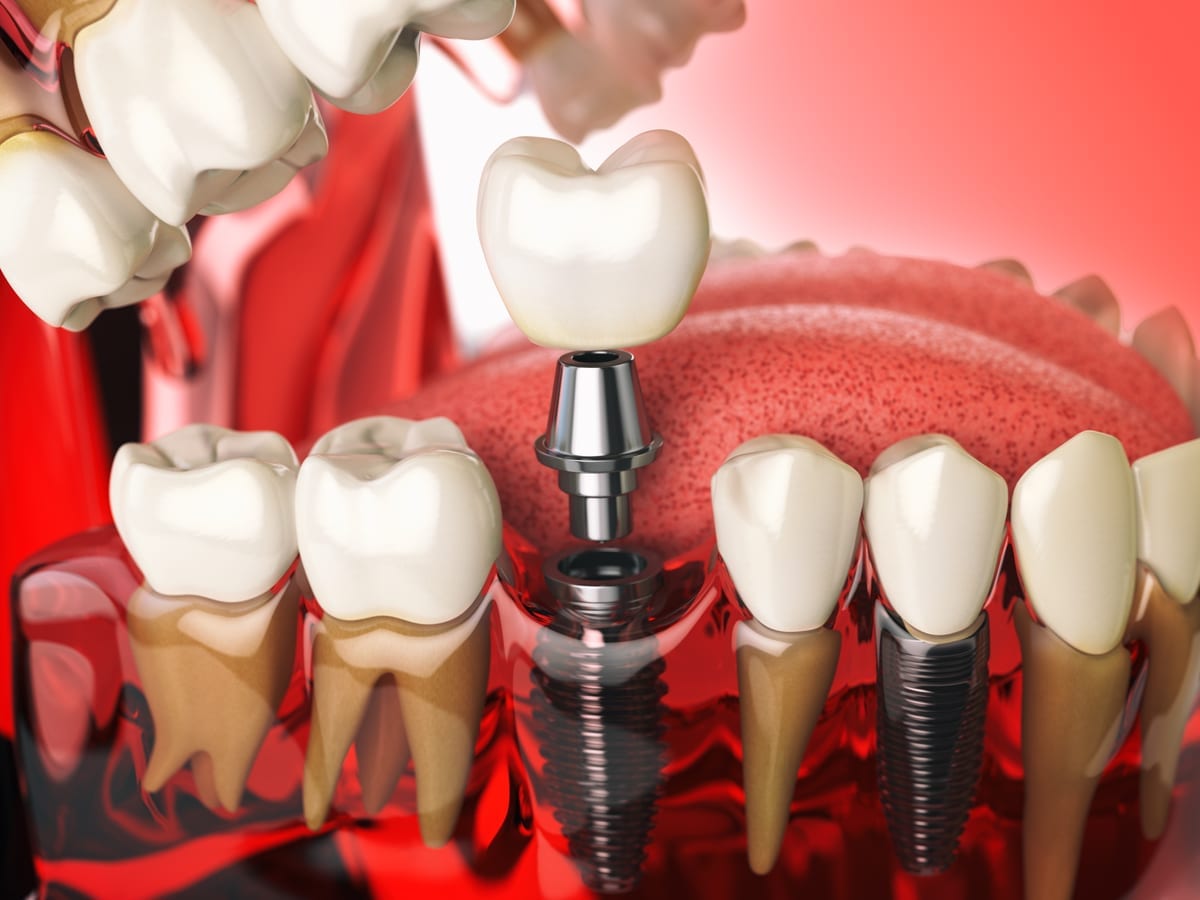
A standard dental implant procedure involves placing a titanium post into the jawbone. That post fuses with healthy, dense bone tissue over several months. The process works well when adequate bone volume exists. Waiting changes that equation significantly.
When bone density is reduced, Dr. Behrmann may need to recommend a bone graft before implant placement. This additional procedure rebuilds lost bone volume. It also adds healing time — often several months — before the implant post can even be placed. That means more appointments, more recovery, and added investment.
Shifted or drifted teeth create additional complications. If neighboring teeth have tilted into the implant space, there may not be enough room to place the implant correctly. Orthodontic treatment may be needed first to reposition those teeth. What started as one procedure can become three or four coordinated steps.
Here is a general comparison of what treatment timelines can look like:
- Early intervention: Implant placement, healing period, crown attachment — typically 3 to 6 months total
- Moderate delay: Minor bone graft, healing, implant placement, crown — often 9 to 12 months
- Significant delay: Extensive bone grafting, orthodontic repositioning, implant placement, crown — potentially 18 months or more
Acting sooner genuinely reduces both the complexity and the overall cost of restoring your smile.
What Dr. Behrmann Recommends for Spokane Patients
Dr. Behrmann takes a conservative, educational approach with every patient. He does not pressure anyone into treatment. Instead, he explains exactly what is happening in your mouth and what your options are right now versus later. Patients leave with a clear picture of their situation.
If you are missing a tooth, a cone beam CT scan can reveal current bone density and volume. This imaging shows exactly how much bone remains and whether a graft will be necessary. Getting this information early puts you in control of your treatment timeline and budget.
For patients concerned about the overall appearance of their smile alongside tooth replacement, Cosmetic Dentistry options can address multiple concerns together. Combining implant placement with smile enhancement often makes the most sense when treatment planning comprehensively. Patients interested in porcelain Veneers to complement their restored smile can discuss that timing with Dr. Behrmann during the same consultation.
The most important step is simply getting the current picture. Many Spokane patients are surprised to learn their bone loss is less severe than expected — because they came in before significant damage occurred. Others discover that a graft is needed and feel grateful they learned that now rather than after things worsened further.
Taking the Next Step at Dental Care of Spokane
You do not need to figure this out alone. Dr. Behrmann and the team at Dental Care of Spokane are here to give you honest, clear answers about your jaw health. Whether you lost a tooth recently or years ago, it is worth knowing where things stand today.
Delaying that conversation is the one thing that consistently makes outcomes harder. The bone that resorbs this month will not come back on its own. The teeth that drift this year will need work to reposition. Time genuinely works against you when it comes to tooth replacement.
Spokane patients who take action early protect more than just their smile — they protect their jawbone structure, their bite alignment, and their long-term comfort. Getting an evaluation now is the most cost-effective decision you can make for your oral health. Book Now to schedule your appointment with our team.
Frequently Asked Questions
How quickly does bone loss begin after a tooth is lost?
Bone resorption can begin within the first few weeks after tooth loss. Noticeable bone volume changes are often measurable within three to six months. Acting within the first year after tooth loss typically gives patients the best chance at straightforward implant placement without grafting.
Can shifting teeth be corrected before getting an implant?
Yes. If neighboring or opposing teeth have drifted into the implant space, orthodontic treatment can reposition them. This creates enough room for proper implant placement. Dr. Behrmann will assess your specific situation and outline any preparatory steps needed before the implant procedure begins.
Is a bone graft always required if I have waited a long time?
Not always. The need for a bone graft depends on how much bone volume remains at the implant site. A cone beam CT scan gives a precise picture of your current bone density. Some patients who delayed treatment still have adequate bone. Others will need grafting. An evaluation is the only way to know for certain.
What happens if I choose not to get an implant at all?
Without any tooth replacement, bone loss will continue in the affected area. Neighboring teeth are likely to shift further over time. This can cause bite problems, jaw joint stress, and additional tooth loss in some cases. Other options like bridges or partial dentures can address the visible gap but do not stimulate the jawbone the way an implant does.
How do I know if I am a good candidate for dental implants in Spokane?
Most adults in good general health are candidates for dental implants. Factors like current bone density, gum health, and overall medical history all play a role. Dr. Behrmann conducts a thorough evaluation at Dental Care of Spokane to determine candidacy and discuss the best path forward for your individual situation.
Welcome to Our Practice
Ready to join the family at Dental Care of Spokane? Our team is driven by a passion for helping those in our community maintain, enhance, and restore their ideal smiles. We can't wait to meet you!
Schedule Your
Visit Now!
Map